- Boston
01205 351114 - Bourne
01778 218001 - Grantham
01476 591550 - Horncastle
01507 522456 - Lincoln
01522 541181 - London
02078 715755 - Market Deeping
01778 341494 - Newark
01636 673731 - Sleaford
01529 411500 - Spalding
01775 725664 - Stamford
01780 764145


Japanese Knotweed: What buyers and sellers need to know

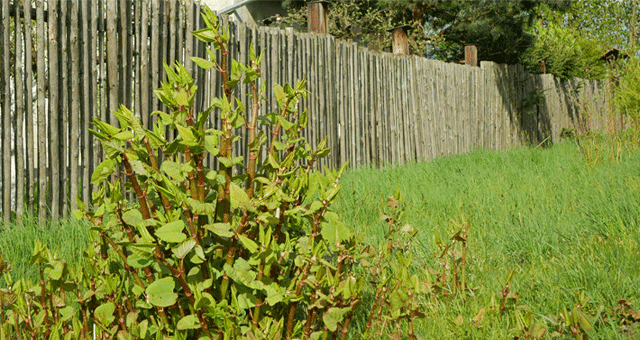
Japanese Knotweed continues to be one of the most contentious issues when buying and selling houses. Its presence can significantly impact property value, mortgageability, and the progress of a transaction, making it essential for both buyers and sellers to understand the risks and obligations involved.
Japanese Knotweed is highly invasive, it grows incredibly fast and spreads aggressively underground. Even tiny fragments can regrow, making it very hard to eliminate once established. It can cause structural issues to property, it can damage foundations, drains and walls over time, it can also worsen existing cracks in buildings.
There are legal responsibilities under the Wildlife and Countryside Act 1981, this states that you must not allow it to spread into the wild or neighbouring properties, there are also rules around improper disposal, it is illegal to dump soil that contains Japanese Knotweed. If it spreads to a neighbour's land you could face legal complaints or liability claims.
For sellers, disclosure is of utmost importance. The Law Society's TA6 Property Information Form specifically asks whether the property is affected by Japanese Knotweed. Providing inaccurate or misleading information can lead to serious legal consequences, including claims for misrepresentation (as in Downing v Hendersen (2023) Here, the seller had ticked "no" on the TA6 to the question asking if the property was affected by Japanese Knotweed. The buyer later found Knotweed growing behind a large bush next to the garden shed. Mr Henderson argued he did not know it was there because of the large bush, however there was evidence presented that the Knotweed had previously been treated with herbicide, meaning the seller should have been aware of it.
The court ruled that the seller had misrepresented the situation and he was ordered to pay £32,000 in damages and around £95,000 for the buyer's legal costs.
Even if the plant has been treated or is no longer visible, the history should still be disclosed along with any management plans or guarantees in place.
So the lesson is that a seller should only answer "No" if they are not absolutely certain that there is no Japanese Knotweed within 3 meters of the boundary of their property. If they cannot say with certainty that there is no Japanese Knotweed they should tick the "Not known" box
From a buyer's perspective, Japanese Knotweed raises both practical and financial concerns. Lenders are often cautious and may require evidence of a professional treatment plan before agreeing to lend and some lenders will not lend at all if there is a history of Japanese Knotweed at the property. In some cases, the presence of knotweed can delay or even put a stop to the transaction entirely.
Buyers should ensure that appropriate enquiries and consider obtaining their own specialist survey if there is any suspicion of its presence.
If a buyer is not using a mortgage to purchase the property they should always consider the property's saleability in the future, as, even if there is a treatment plan in place, when they come to sell the property in the future they may struggle to find a buyer who is purchasing with a mortgage due to lenders' reluctance to lend where there is a history of Japanese Knotweed at the property.
If Knotweed is identified, a structured management plan from a reputable contractor is usually the best course of action. These plans usually cover several years and may include insurance-backed guarantees, which can provide reassurance to lenders and future buyers. It is important that any such documentation is carefully reviewed during the conveyancing process.
The time of year that the property is being sold or purchased is another important factor. Japanese Knotweed is most visible during the spring and summer and it can sometimes go undetected in winter months, therefore, it is vital that thorough due diligence is carried out, particularly where there are indicators such as previous treatment records or nearby infestations.
Ultimately, Japanese Knotweed is not a 'transaction stopper' but it does require careful handling. Early identification, honest disclosure and proper treatment can help that transactions progress smoothly. For both sellers and buyers, taking proactive steps and seeking professional advice at the outset can prevent delays and reduce the risk of disputes later on.
CONTACT US
If you are involved in a transaction where Japanese Knotweed may be an issue, our conveyancing team can guide you through the process.